Case Study
Role: Product Designer — Platform UX, System Unification, Add-on Design
1. Project Overview
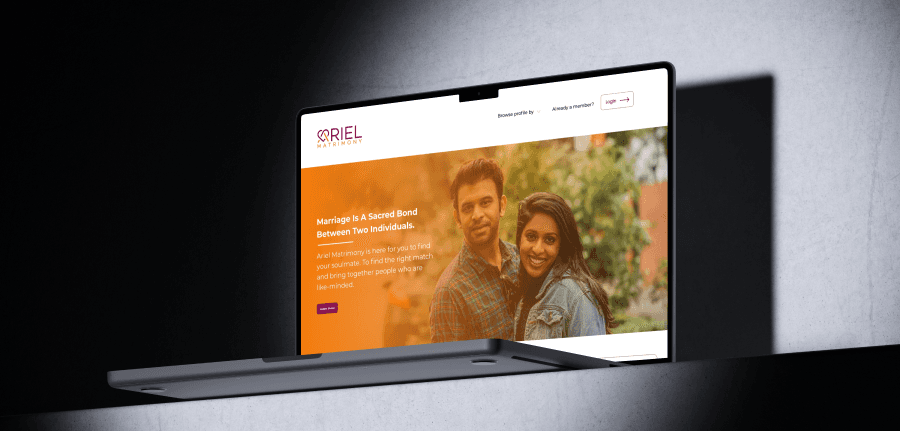
Ariel Matrimony is a Kerala-focused matrimonial platform built to help individuals find compatible life partners through a structured, trust-driven digital experience.
The client approached us with only an idea — to build a matrimony platform that could compete with established players like Kerala Matrimony, but with better control over privacy, profile quality, and monetization.
There was no existing product, no flows, no feature clarity.
The platform was designed and executed from scratch, and after launch, it enabled 4,500+ successful marriages in the initial phase.
2. Context & Opportunity
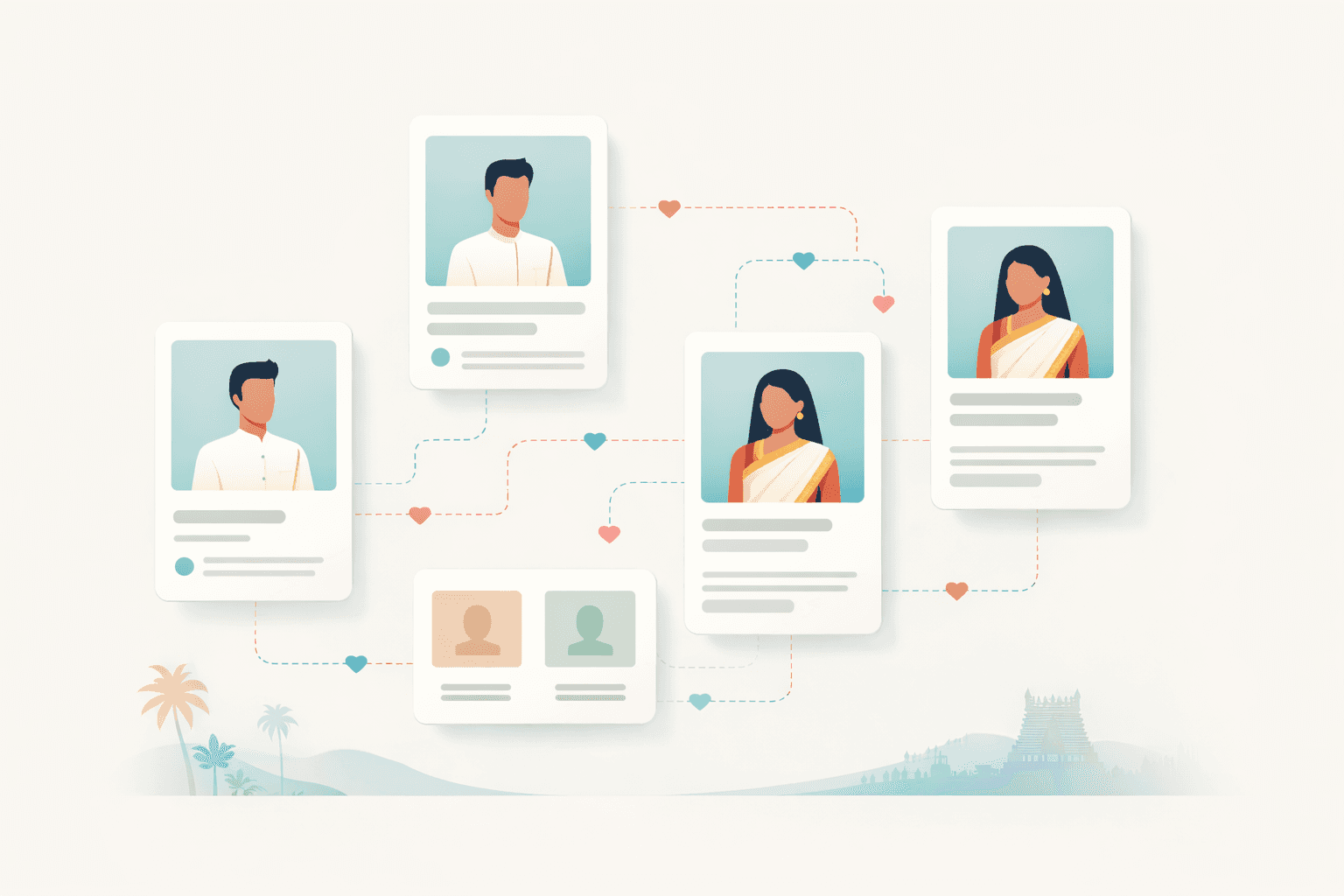
The Kerala matrimony market is crowded, but most platforms suffer from common issues:
low-quality or incomplete profiles
poor privacy controls
aggressive monetization that breaks trust
complex user experiences
The opportunity was to create a platform that balances:
openness before registration
trust after registration
clear value-based upgrades

3. Problem Statement
How might we design a matrimony platform where:
users can explore freely without friction,
serious intent is encouraged through structured flows,
privacy is respected by default,
monetisation feels fair and contextual,
and the platform scales as a real business?
4. Goals & Success Criteria
Discover matches easily
Control who sees personal information
Feel safe sharing photos and details
Understand clearly what paid plans offer
Drive high-intent registrations
Convert upgrades at the right moment
Maintain profile quality
Build long-term trust in the brand
5. My Role & Responsibilities
While working at Tenor Hut, I led this product end-to-end:
Defined the entire feature set
Designed user and member flows
Structured the monetization and package logic
Led UX/UI direction (web)
Worked closely with developers during execution
Acted as the product decision owner from ideation to launch
This was not just a design role — it was product ownership.
6. Discovery & Research
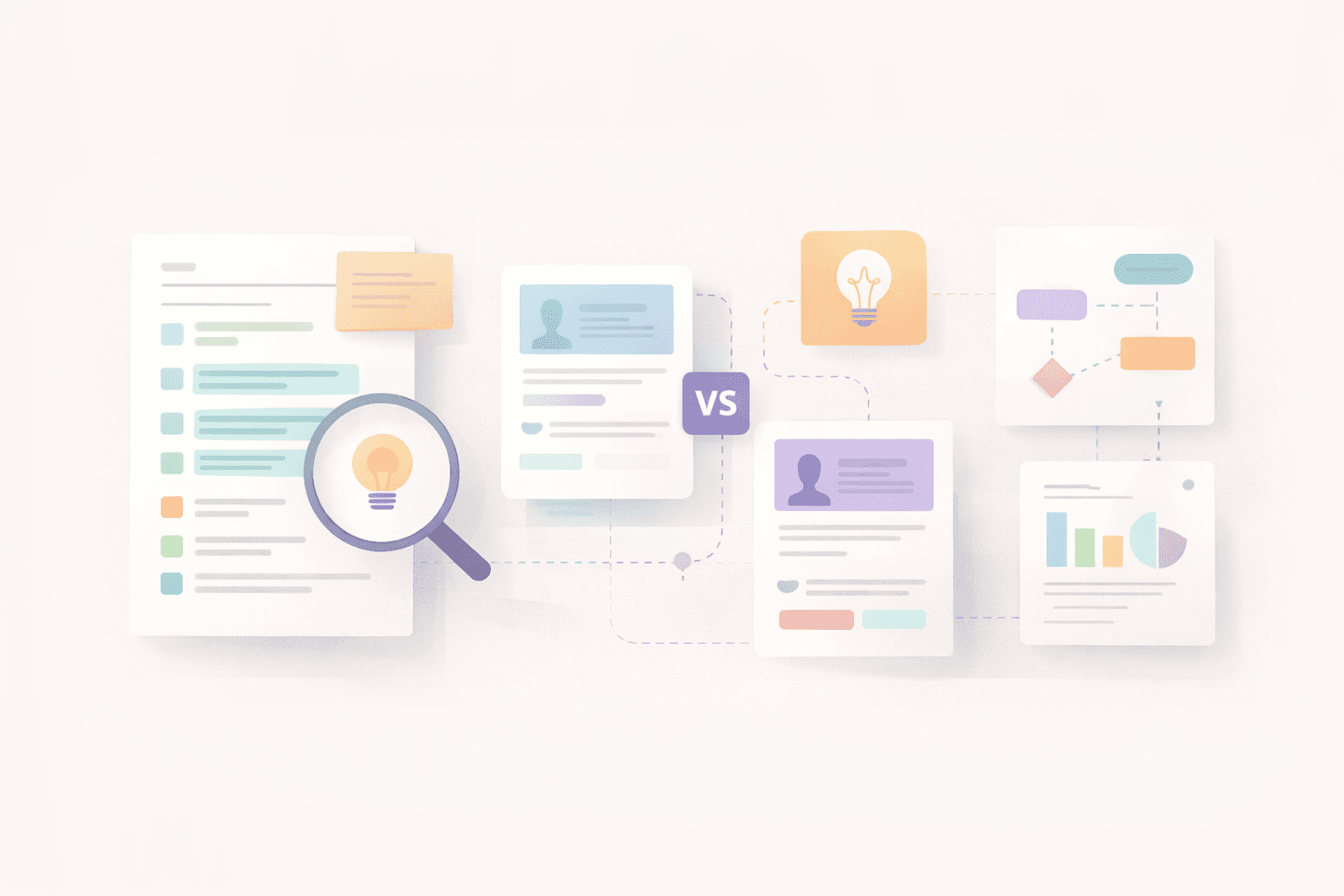
Instead of starting with screens, I focused on:
analysing existing matrimony platforms
understanding user hesitation points
mapping where trust breaks in the journey
identifying moments where users are willing to pay
A key insight:
Users are happy to browse, but only serious users are willing to upgrade when access is meaningfully restricted.
This insight shaped the entire flow.
7. Defining the Product Structure
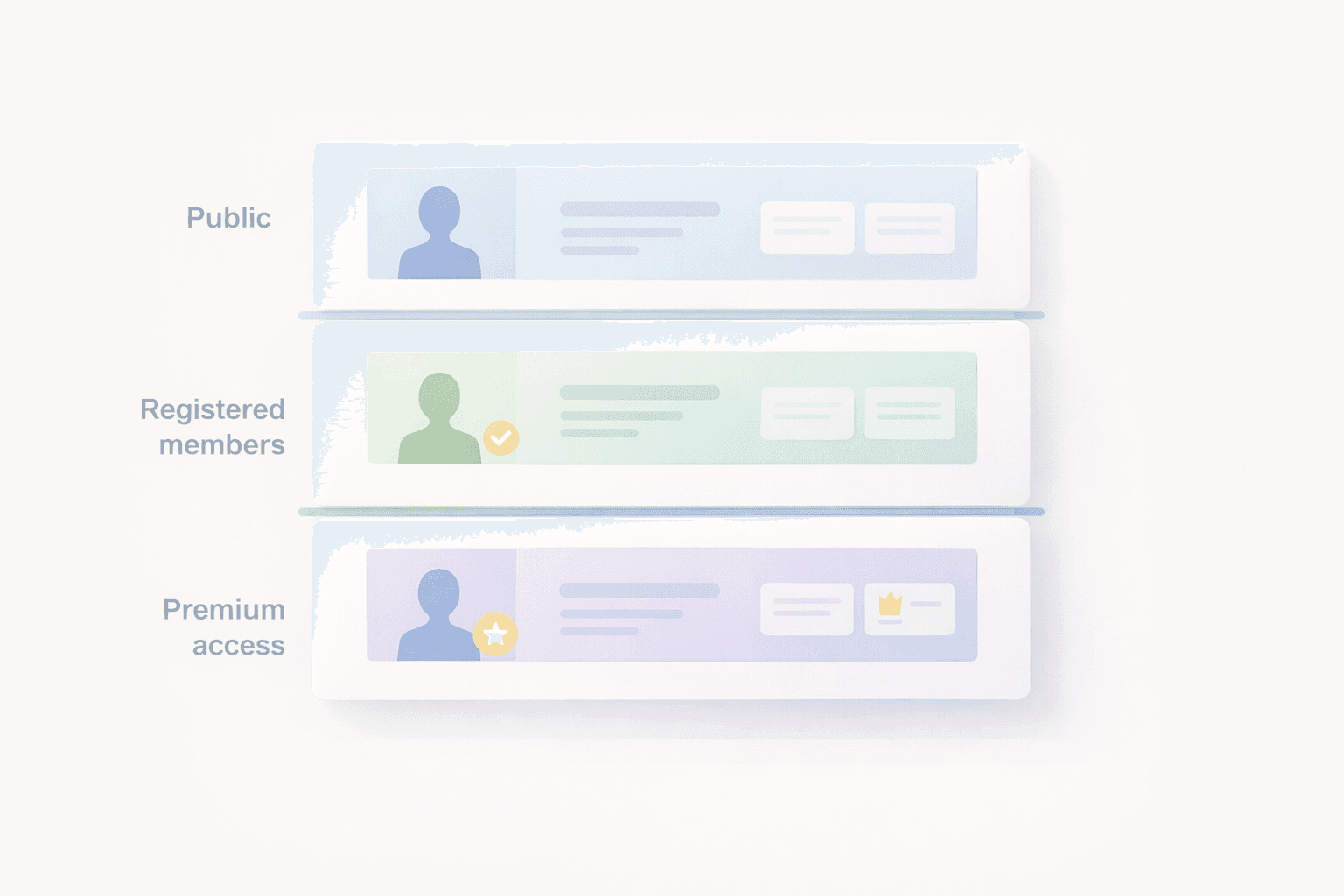
I designed the platform around three core layers:
Browse profiles
View limited details
Build curiosity without commitment
Complete profile with real data
Limited access based on plan
Dashboard with clear locked vs unlocked features
Full profile access
Messaging
Advanced search
Auto-matchmaking
Controlled visibility & privacy
This layered approach ensured intent-based progression, not forced conversion.
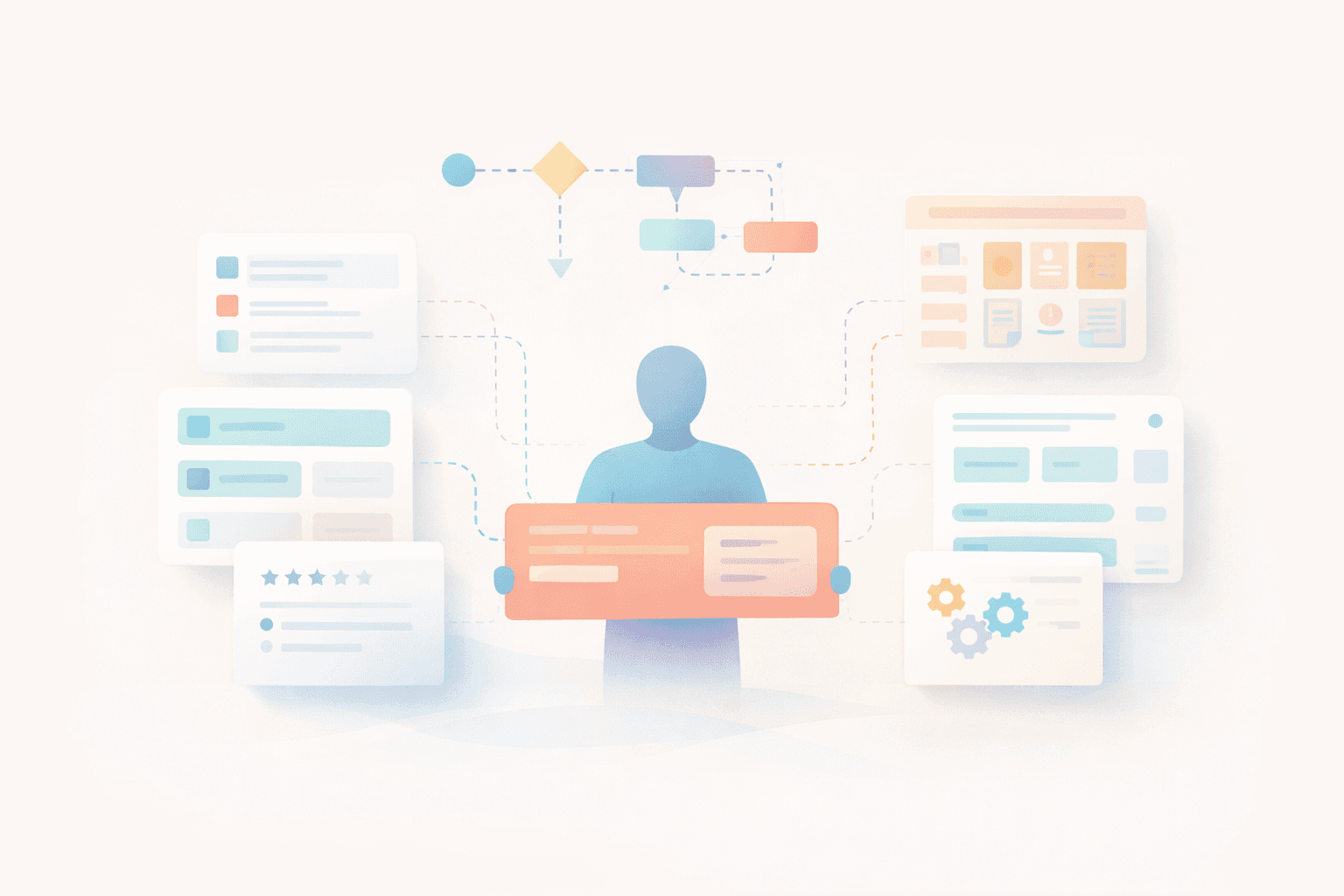
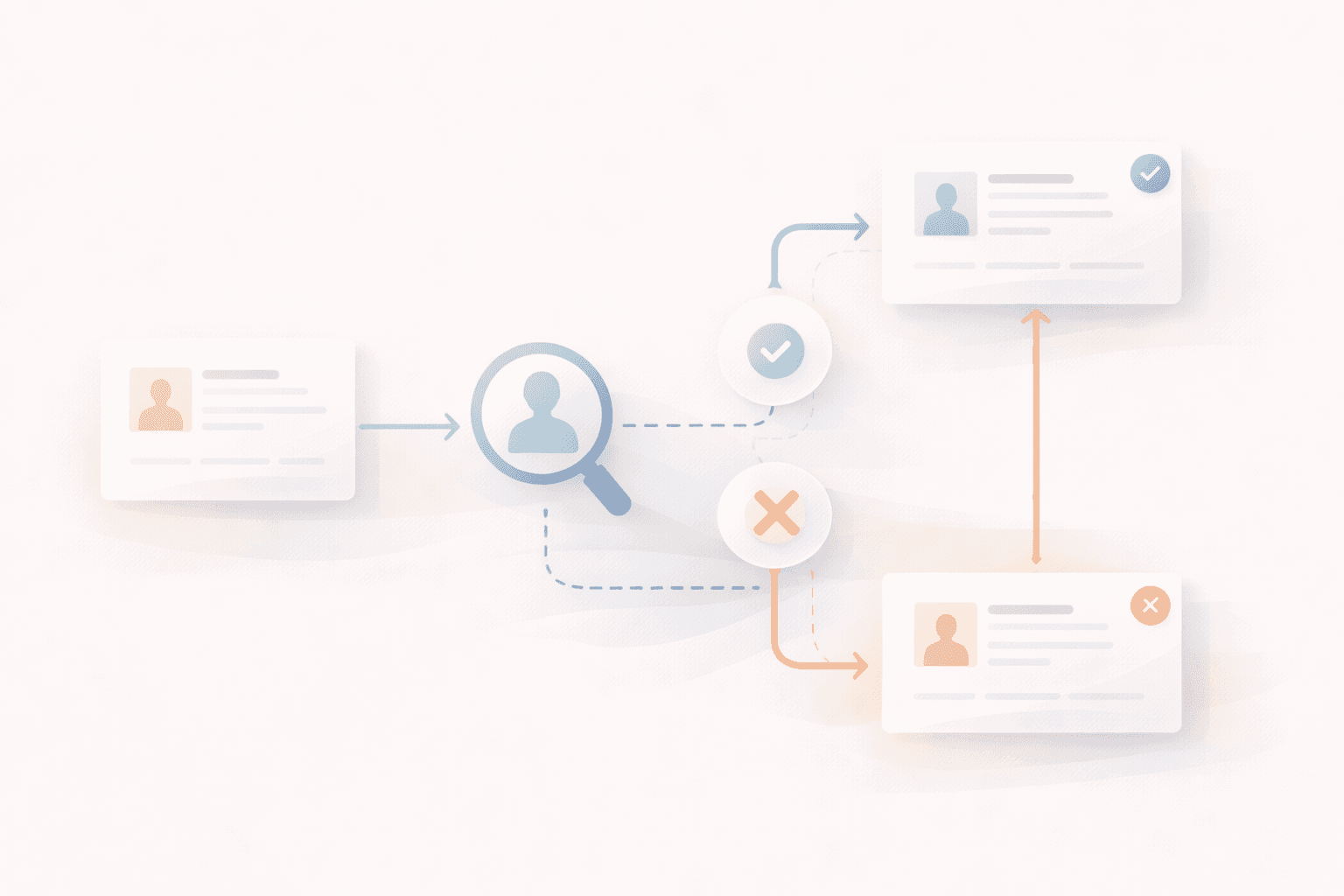
8. User & Member Flow Design
I created clear flows for:
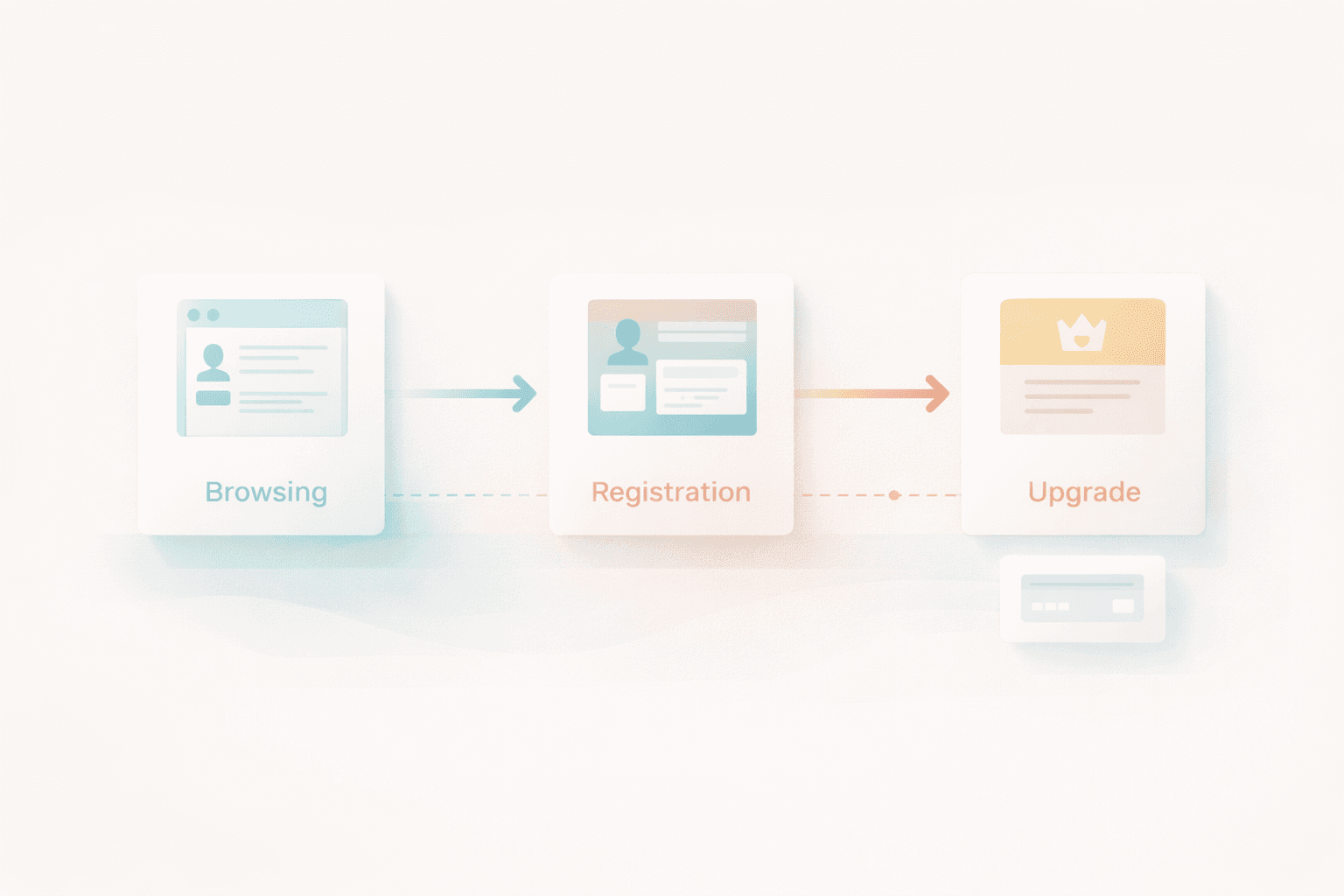
public browsing → registration
profile completion → dashboard access
intent actions (view contact / message) → upgrade trigger
post-upgrade feature unlocking
Instead of blocking users early, restrictions were placed only when intent was high — a deliberate UX and business decision.
9. Monetization & Package Design
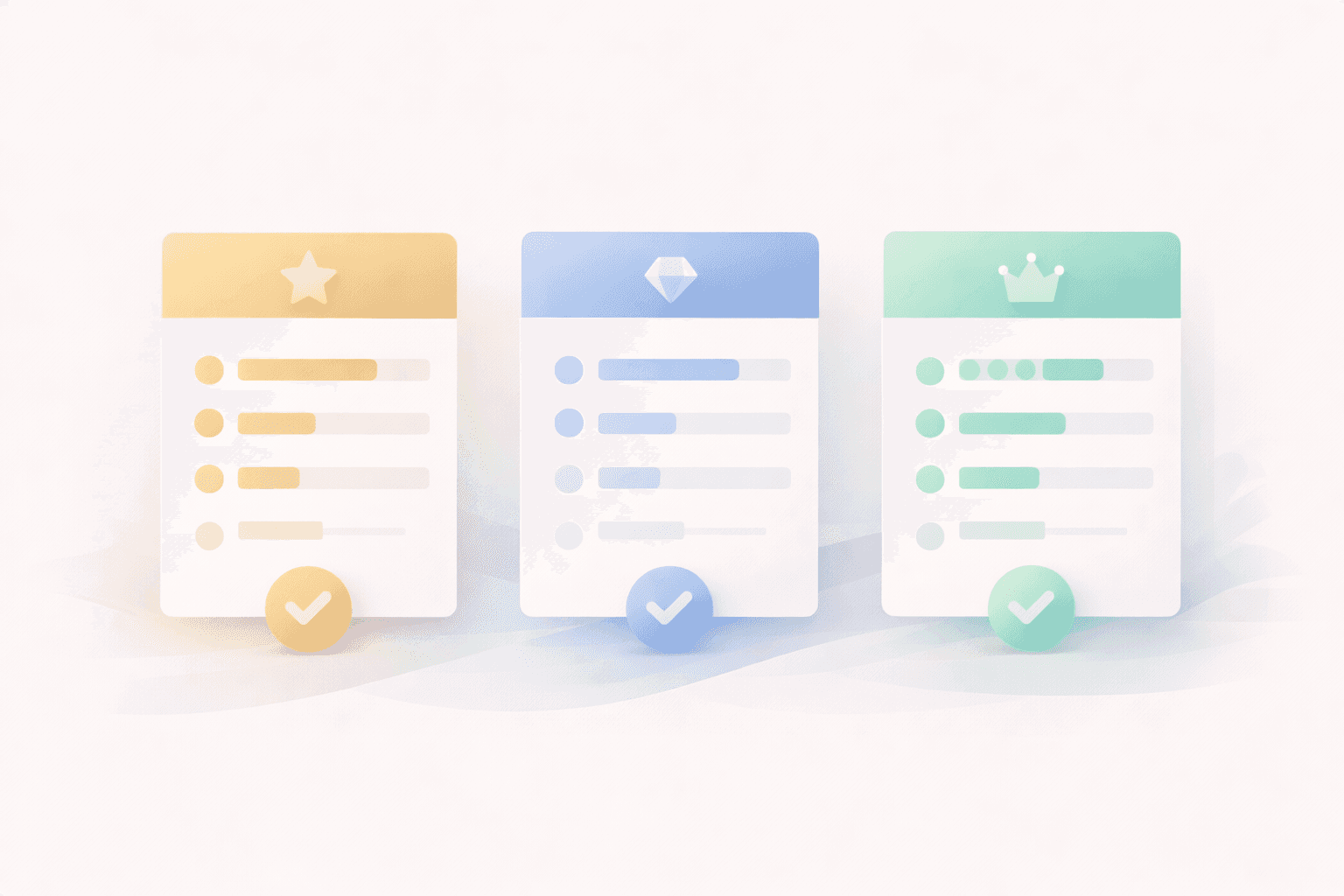
Rather than generic pricing, packages were built on capability limits:
express interest count
contact info views
image visibility
profile privacy controls
package validity
Silver, Gold, and Platinum plans were designed to:
gradually increase engagement,
respect privacy,
and align value with seriousness.
This model reduced spam behaviour and increased genuine interactions.
10. Information Architecture & Admin Thinking
Beyond user flows, I also structured:
admin moderation logic
profile approval
photo privacy rules
reporting and blocking mechanisms
Trust and safety were treated as core product features, not afterthoughts.
11. Execution & Collaboration
The product was executed as a web platform.
I worked closely with developers throughout the development phase, clarifying logic, edge cases, and feature behavior.
Design decisions were continuously validated against:
feasibility
scalability
long-term maintainability
12. Outcome & Impact
After launch:
4,500+ successful marriages were recorded in the initial phase
The platform gained strong regional adoption
Users trusted the privacy and structure of the system
Monetisation felt transparent and contextual
The product proved viable against established competitors
13. Learnings & Reflection
This project reinforced several core lessons:
In trust-based products, flow matters more than visuals
Monetisation should follow intent, not interrupt it
Privacy is a feature, not a setting
Good product design is about when to allow, when to restrict
Building Ariel Matrimony from zero strengthened my ability to think beyond UI — into product strategy, business logic, and real-world outcomes.
14. Next Steps (At the Time)
Planned future phases included:
mobile experience
deeper matchmaking logic
engagement-driven recommendations